One corner of your smile lifts higher than the other in photos. Friends say it is “charming,” but on video calls it reads as tension. When I correct asymmetric smiles with Botox, patients are often surprised by how little it takes. Small, strategic doses can balance the pull of specific muscles without changing what makes your expression yours.
What an Uneven Smile Really Is
An uneven smile is not a vague aesthetic concern. It is usually a mechanical imbalance between muscles that elevate or depress the corners of the mouth and upper lip. You might see one of these patterns:
- The stronger zygomaticus major and minor on one side hike the corner higher, showing more gum or tooth on that side. A hyperactive levator labii superioris alaeque nasi (LLSAN) lifts the upper lip more on one side, creating one-sided “gummy smile.” A dominant depressor anguli oris (DAO) pulls one corner down, so even a neutral face looks a bit skeptical. Post-dental work or prior filler changed muscle recruitment, so your smile pathway rerouted unevenly. Nerve differences after orthodontic extractions or minor facial trauma altered symmetry.
Knowing which muscle over-acts guides where Botox helps. Otherwise, you risk muting the smile rather than balancing it.
Where Botox Fits and Where It Doesn’t
Botox relaxes overactive muscles. It does not add volume, lift tissue like filler does, or correct tooth and jaw discrepancies. For smile asymmetry, Botox is most effective when:
- One muscle group consistently over-pulls. The asymmetry is dynamic, meaning it’s obvious when you smile or speak but not as evident at rest. You prefer reversible treatment and a “test drive” before considering dental or surgical options.
Botox is less effective when the root cause is tooth wear, major skeletal asymmetry, or missing posterior support that collapses the bite. In those cases, dental work or orthodontics may be primary, with Botox as a fine-tuner.
Mapping the Muscles That Shape a Smile
A quick primer on muscles often involved:
- Zygomaticus major/minor: lift the mouth corners. Too strong on one side elevates asymmetrically. Levator labii superioris and LLSAN: lift the upper lip and flare the nostril. Overactivity contributes to gummy smile, often more on one side. Depressor anguli oris (DAO): pulls corners down. Over-activity creates a downturned, lopsided corner. Depressor septi nasi: tethers the nose tip down and can tug on the central upper lip when you smile. Orbicularis oris: pursing muscle around the mouth. Strategic micro-dosing can soften lip asymmetry, but overdosing stiffens speech and eating. Masseter: jaw clenching muscle. Asymmetrical hypertrophy can tilt the lower face visually and affect corner height through resting tone.
A skilled injector will ask you to speak, smile gently, grin fully, and hold a smile. They watch timing, not just position: which side fires first, which lifts higher, and how the corner tracks.
Dosing Philosophy: Light First, Then Layer
Patients often ask, how many units of Botox do I need? For smile asymmetry, less is more. Typical ranges are small because oral muscles are expressive and sensitive to change. Effective doses may be as low as 1 to 3 units per point, sometimes less with highly concentrated product and shallow placement.
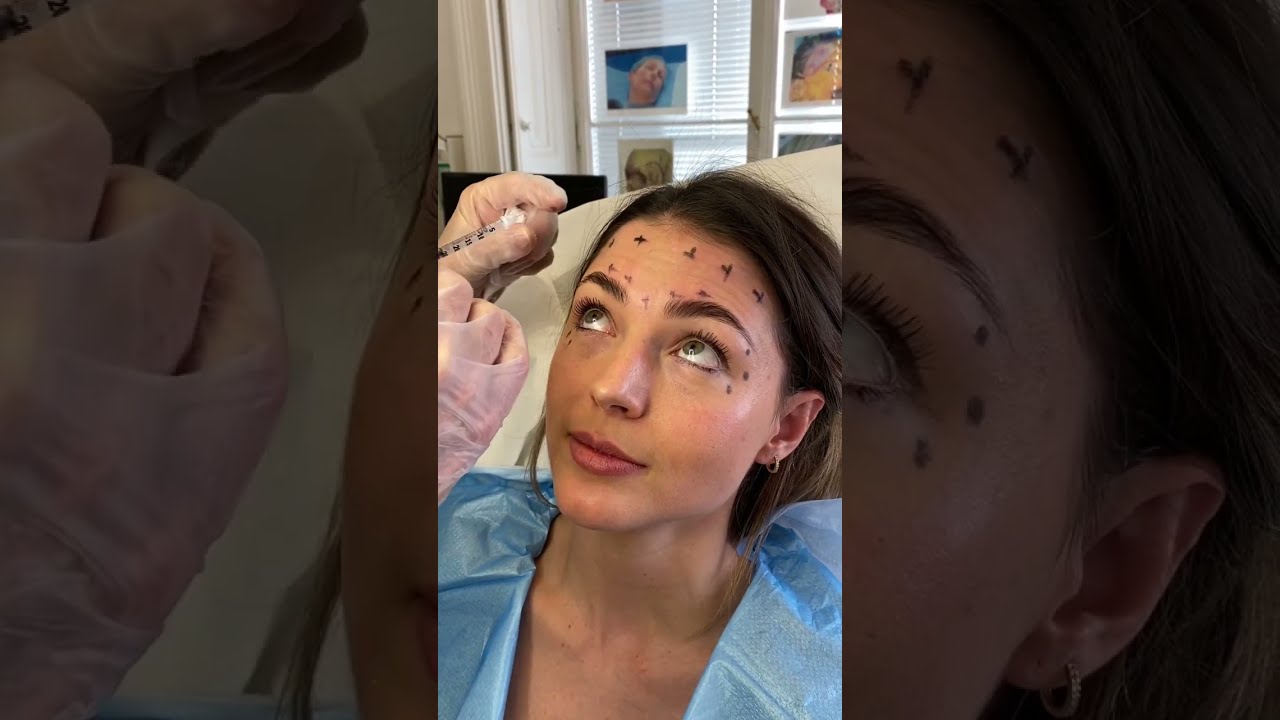
Custom Botox dosing beats cookie-cutter plans. I often start with light Botox vs full Botox to observe response. For example:
- Asymmetric gummy smile: 1 to 3 units into LLSAN on the high side, sometimes 1 to 2 units on the other for harmony. Downturned corner from DAO dominance: 2 to 4 units into DAO on the heavy side, with a matched or lighter dose contralaterally as needed. Upper lip pull that “curls under” more on one side: micro-dosing orbicularis oris, often 0.5 to 1 unit per point, carefully placed to preserve speech.
How to avoid frozen Botox in the lower face: micro-aliquot dosing, placed superficially where the target muscle is thinnest, with careful mapping to avoid the smile elevators. Balancing means dialing down the overactive muscle while leaving its counterpart untouched or lightly treated.
What Results Look Like, and How Fast They Show
Onset begins in 2 to 4 days, with full effect around 10 to 14 days. For a one-sided gummy smile, the “high” side relaxes so the upper lip shows the same amount of gum as the other side. For DAO-dominant asymmetry, the heavy corner no longer drags downward as hard. You still smile the way you smile, only more even.
Natural looking Botox results come from respecting movement. Over-correcting can flatten personality. A change that friends can’t pinpoint but you notice daily is usually the goal.
When Botox Is Paired With Other Tools
If volume differences or tooth display create asymmetry, filler or dental work may enter the plan. A tiny bolus of filler at the corner of the mouth can support shape while DAO Botox reduces downward pull. If the upper lip is thin and tucks under on one side, a micro “lip balance” with filler, combined with tiny orbicularis doses, can help. For jawline tilt from masseter asymmetry, small masseter dosing on the bulkier side may soften the tilt over months.
Botox for facial harmony works best when used like a sound mixer, not a kill switch.
Safety, Subtlety, and Side Effects to Watch
Can you get too much Botox? In the smile area, yes, and you will feel it. Signs of overdone Botox include difficulty pronouncing B, P, and M, lip incompetence when drinking from a cup, and a corner that looks slack rather than relaxed. The fix is time and sometimes a tiny counterbalancing dose in the opposing muscle.
Can Botox affect smile, speech, or chewing? It can if dosed or placed poorly. Conservative dosing and precise placement minimize risk. Chewing is rarely affected unless masseters are treated aggressively, and even then most people adapt within days.
Can Botox cause headaches? Mild, short headaches can occur after any injection, usually resolving in a day or so. If you’re prone to tension headaches, strategic forehead and masseter dosing can sometimes help. For medically indicated Botox for tension headaches or chronic migraine, dosing and sites differ from cosmetic plans.
Can Botox migrate? True migration is rare when product is placed correctly and aftercare followed. Most “migration” stories are really diffusion to nearby fibers when doses or depths aren’t tailored. Meticulous technique and post-care reduce that risk.
Botox bruising timeline: if bruising occurs, it is usually visible within hours and fades over 3 to 7 days. Botox swelling how long: small, pea-sized bumps at injection sites typically settle within an hour; mild puffiness can last a day.
Preparing for an Uneven Smile Treatment
First time Botox advice for the mouth area is simple: jittery muscles respond best to less. What not to do before Botox includes heavy alcohol consumption, high-dose fish oil, aspirin, or other blood thinners unless your doctor says otherwise. These can increase bruising. Keep skincare simple the day of treatment.
Botox consultation questions worth asking:
- Which muscle is causing my asymmetry, and how will you target it? What is your plan for dosing one side versus the other? How will you avoid affecting speech or chewing? If I need a tweak, when do I come back?
This is a situation where seeing injection videos or before-and-after photos of similar cases, especially one-sided gummy smiles or DAO-dominant corners, helps set expectations.
Aftercare That Protects Your Result
What not to do after Botox is as important as the injections themselves. Avoid pressing, massaging, or lying face-down on the treated area for several hours. Can you exercise after Botox? Light walking is fine, but skip hot yoga and intense workouts for 24 hours. Can you sleep after Botox? Yes, just avoid sleeping face down the first night if the mouth area was treated. How soon can you wash face after Botox? Gently, the same day, but avoid vigorous scrubbing for 24 hours.
If you had micro-doses around the upper lip, try not to purse hard or use a straw that day. Let the product settle. Most people go back to normal routine by the next morning.

The Money Question: Cost and Units
Botox cost per unit varies by region and clinic. In many US cities, it ranges from about 10 to 20 dollars per unit, sometimes more in premium practices. Because the doses for an uneven smile are small, total cost is often lower than a full forehead treatment.

Average Botox units for forehead commonly sit around 10 to 20 units depending on brow anatomy, and average Botox units for crow’s feet might be 6 to 12 per side. Smile balancing often needs 2 to 8 units in total, sometimes 10 to 12 if multiple small points are used. These numbers are guides, not promises. Botulinum toxin potency is standardized by brand within a practice’s system, but placement and dilution also shape results.
Touch-ups and Maintenance
Botox touch up timing for fine-tuning symmetry is typically at two weeks. Tiny adjustments then can polish a good result. Botox maintenance schedule depends on metabolism and muscle size, usually every 10 to 14 weeks for the mouth area. If you’re athletic with a fast metabolism, expect the shorter end of that range. Small muscles like LLSAN can recover sooner than larger ones like the masseter.
Patients sometimes notice that repeated sessions yield smoother, more consistent results. The brain adapts to a new movement pattern while the overactive muscle spends time at rest.
Myths, Facts, and Trade-offs
Botox myths and facts worth clarifying:
- Myth: Botox always freezes expressions. Fact: Targeted micro-dosing can preserve expressiveness and still fix asymmetry. How to avoid frozen Botox is more about injector judgment than the product itself. Myth: Botox thins muscles permanently. Fact: Does Botox thin muscles? It can reduce bulk with long-term use, especially in big muscles like the masseter, but that effect is gradual and reversible when treatments stop. For small perioral muscles, the goal is not debulking but slight relaxation. Myth: Botox weakens muscles forever. Fact: Does Botox weaken muscles long term? Muscle function returns as the nerve terminal regenerates. Habitual movement patterns may change because the muscle spent time at rest. Myth: It’s one-and-done. Fact: Results last a few months. Botox maintenance reflects biology, not failure.
Special Cases and Edge Scenarios
Botox for lip asymmetry is one of the trickiest lower-face uses. The orbicularis oris manages speech, sipping, and kissing. Over-treat, and you will feel clumsy. Under-treat, and the asymmetry persists. I prefer tiny doses at two or three points, then bring patients back at two weeks.
Botox for downturned mouth from a strong DAO works nicely when the corner sits heavy even at rest. A modest DAO dose can free the zygomaticus to lift more evenly. If marionette lines are carved in, you may need structural support from filler as well. Botox for marionette lines alone won’t erase etched folds; it reduces the pull that deepens them.
Botox for nose tip lift sometimes helps if a strong depressor septi nasi tethers the tip and upper lip during smile. A micro dose at the base of the columella can soften that downward drag and subtly balance upper lip show.
Botox for facial slimming or a wide jaw appearance targets the masseters. Asymmetrical masseter dosing can correct a jawline tilt that makes the smile look skewed, but that process takes weeks to months as the muscle remodels. For people who want a heart shaped face, careful lateral cheek filler plus masseter reduction can help the smile appear more centered.
Botox for facial spasms, blepharospasm, or hemifacial spasm relies on medical dosing schemes. If you have a spasm condition on one side, the smile asymmetry often comes with it, and the therapeutic plan may already improve it.
Face Shape and Expression Patterns Matter
Botox customization by face shape is not a marketing slogan. Long, narrow faces tend to look “pulled” with overactive depressors; small DAO doses usually help. Round faces often show asymmetric zygomatic recruitment; a micro touch to the stronger side evens the lift. Square faces with strong masseters can look canted on one corner; zygomatic micro-dosing plus a touch to the dominant masseter side can balance both rest and smile. Oval faces often require the least intervention and respond best to one or two points.
Botox for expressive faces demands restraint. Big laughers and public speakers rely on nuanced lip movements. Tell your injector if you speak for work, sing, or play wind instruments. That changes the plan. Can Botox affect speech? It can, temporarily, if orbicularis oris is over-treated. Skilled micro-dosing avoids that.
Stacking With Skincare and Procedures
Botox and skincare routine can continue, with a few adjustments. Botox and retinol use pair well; resume retinoids the day after treatment if your skin tolerates them. If you’re planning resurfacing, spacing matters. Botox and microneedling or chemical peels botox near me can be combined in the same month, but I usually inject first, then schedule needling or peels at least a week later. With lasers, give it several days between injections and energy devices. Aggressive manipulation over injection sites on the same day is not ideal.
Botox and alcohol consumption and caffeine intake both matter most around the day of treatment. Alcohol increases bruising risk; caffeine can heighten jitters and a sense of tenderness. Neither affects how the toxin binds. If you have an event, plan at least two weeks ahead for full effect and any small touch-up.
Recovery, Setbacks, and When to Call
Most patients return to normal activities right away. If you see a tiny bruise, arnica gel and time handle it. If your smile feels “different” the first week, give it the full 14 days before judging. If at day 14 one corner still hikes higher, a one- to two-unit tweak can finish the job. If you notice difficulty sipping from a straw or pronouncing labial sounds that bothers you, contact your injector. Adjustments are often possible when documented carefully.
Can Botox during stressful periods change results? High stress can amplify clenching and facial tension. Sometimes that shortens duration a bit in the masseters or forehead. The perioral area is less affected by stress metabolism, but your expression habits may shift, so results might feel different. Keep your maintenance schedule flexible if your routine is changing.
Long-Term Considerations
Botox and facial aging interact in nuanced ways. Dynamic lines form from repeated movement over thin skin. By balancing movement now, you may reduce asymmetric creasing later. Long term effects of Botox include smoother function patterns and sometimes a slight softening of muscle prominence. For the mouth area, the intent is not to erase lines but to restore symmetry in motion. Botox for skin texture and pore size is a separate strategy, often using microdoses intradermally on the forehead or cheeks, not around the lips where skin is thin and highly mobile.
Does Botox weaken muscles, and will that make me age faster? Not in the way people fear. Proper dosing rests the overactive muscle just enough for smoother function. Your smile still recruits the right elevators, only with a fairer share of work.
Practical Scenarios From the Chair
A patient with a left-sided gummy smile showing 3 millimeters more gum on that side had a single 2-unit injection into the left LLSAN and a 1-unit injection contralaterally for harmony. At two weeks, gum show matched. She kept full smile width. Maintenance every three months has held the balance without creeping doses.
An executive who closed his lips on one side when speaking had a strong left DAO. We used 3 units left DAO, 2 units right DAO. At follow up, the left corner no longer dragged. Speech stayed crisp. Later, a half unit to the left upper orbicularis smoothed a subtle lip curl.
A fitness coach with asymmetric masseters and a tilted smile started with 8 units to the larger right masseter, then 6 units left. Two months later the jawline looked more even. We then used 2 units into the right LLSAN to finish balancing the smile. Layering solved what a single session could not.
If You’re New to Botox, Start Here
Plan the appointment at least two weeks before any photos or events. Arrive with a clean face. Communicate how your smile looks in selfies versus conversation; bring a short video if the asymmetry shows more in motion than in a still image. Expect a few quick pinches and perhaps a tiny bump that settles in an hour.
Your injector should mark or visualize, ask you to smile several ways, then place small, targeted doses. You’ll be in and out in 15 to 25 minutes for a focused smile-balancing session. The check-in at two weeks is valuable. That is when the last 10 percent of perfection happens, if needed.
When to Consider Alternatives
If your upper lip collapses inward due to dental bite issues, Botox won’t fix it. A dentist may restore posterior support or adjust occlusion so the perioral muscles stop overworking. If your smile shows dramatic asymmetry from nerve injury, physical therapy and sometimes surgical consultation are first-line. Botox can complement those paths but won’t replace them.
For etched marionette lines and tissue descent, a combination plan, not Botox alone, gives the best return: a touch of filler for structure, light skin tightening if needed, and tiny DAO doses to stop the tethering pull.
A Few Numbers That Help Set Expectations
- Onset: 2 to 4 days. Full effect: about 14 days. Duration in the perioral area: often 8 to 12 weeks, sometimes up to 14. Typical units for smile balancing: 2 to 8 units total, sometimes 10 to 12 when multiple micro-points are mapped. Cost: calculated per unit, commonly 10 to 20 dollars per unit in many markets. Touch-up window: day 10 to day 14 for small adjustments.
These figures describe averages. Your anatomy and goals dictate the final plan.
Why Small Changes Feel Big
We notice faces in motion. A one-sided millimeter of lip lift or corner drag is small on a ruler, yet it changes the story your face tells. Correcting that single vector often restores a sense of ease. Patients mention they stop favoring one camera angle, that they smile wider without policing it, and that candid photos look more like how they feel.
That is the promise of Botox for an uneven smile: not erasing expression, but aligning effort so both sides share the work. Keep doses conservative, protect function, and refine over time. The impact shows in every conversation, not just the mirror.